• Home
  • ABOUT

FORGET MEMORY BLOG

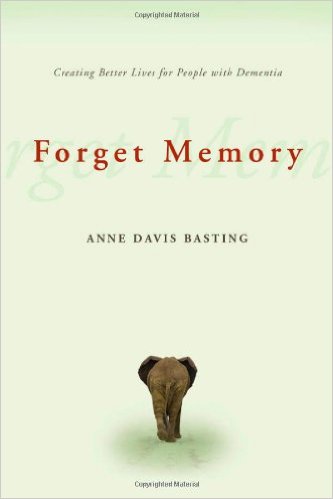
Thoughts from the author of the new book FORGET MEMORY: Creating better lives for people with dementia. To purchase the book, see the ABOUT tab above

Feeds:
Posts
Comments
« The Spark of Creative Engagement
Registration is Open! Learn to Create Change Through Creative Engagement »

Ventrioloquism

December 27, 2011 by Anne Basting

Re the article Ventriloquism Helps Memory in the AARP Bulletin – I’m thankful that AARP is profiling positive engagements with people with dementia.  But they simply must find a new language to do it.  People with Alzheimer’s are MORE than “patients.”  And the old trope of “second childhood” is just offensive.
I do hope AARP continues covering this important issue — which will only grow in relevance to people of every age.  But the framework and language must change.

Like this:

Like
Be the first to like this post.

Posted in Uncategorized | 1 Comment

One Response

  1. on December 27, 2011 at 6:26 pm Richard Taylor

    Hello, and A Men. AARP is as an organization still holding fast to last century attitudes and language. They too have failed to responsibiy take an active leadership role in the issues associated with the disabilities of dementia, especially in older folks.

    They too have bought into the National Alzheimer’s Associations attempts to redefine and relabel the public health care crisis created by dementia as an Alzheimer’s Disease crisis that can be solved by spending more money to find a cure for Alzheimer’s Disease.

    All the National organizations that I know of still see us as patients, as fading away human beings, as sufferers. Those who have the connections and resocurces to change the Nation’s understanding of folks living with the disabilities of dementia each and all seem to have their own list of priorities, and each and of them do not seem to have improving the quality of life of those with the symptoms of dementia, leading a National effort to undue the harm the stigmas associated with dementia impose on caregivers and their loved one.

    Richard


Comments are closed.

  • Archives

    • May 2012 (2)
    • April 2012 (2)
    • March 2012 (1)
    • February 2012 (1)
    • January 2012 (2)
    • December 2011 (2)
    • November 2011 (2)
    • October 2011 (3)
    • September 2011 (2)
    • July 2011 (1)
    • June 2011 (2)
    • May 2011 (2)
    • March 2011 (2)
    • January 2011 (1)
    • November 2010 (2)
    • October 2010 (2)
    • September 2010 (2)
    • August 2010 (1)
    • July 2010 (2)
    • June 2010 (2)
    • May 2010 (1)
    • April 2010 (2)
    • March 2010 (3)
    • January 2010 (1)
    • December 2009 (1)
    • November 2009 (2)
    • October 2009 (1)
    • September 2009 (4)
    • August 2009 (5)
    • July 2009 (1)
    • June 2009 (4)
    • May 2009 (10)
    • April 2009 (7)
    • March 2009 (7)
    • February 2009 (5)
    • December 2008 (1)
    • November 2008 (3)
    • October 2008 (5)
    • September 2008 (5)
    • July 2008 (3)
    • June 2008 (6)
    • May 2008 (8)
    • April 2008 (7)
    • March 2008 (4)
    • February 2008 (5)
    • January 2008 (7)
    • December 2007 (1)
    • November 2007 (4)
    • October 2007 (8)
    • September 2007 (11)
  • Categories

    • art (35)
    • books (19)
    • cultural phenom (85)
    • disability (16)
    • film (23)
    • history of memory (8)
    • long term care (4)
    • medicine (7)
    • music (6)
    • public education (56)
    • science of memory (15)
    • theatre (1)
    • Uncategorized (68)
  • Pages

    • ABOUT
      • Press/Presentations

Blog at WordPress.com.

Theme: MistyLook by Sadish.


Follow

Get every new post delivered to your Inbox.

Powered by WordPress.com